
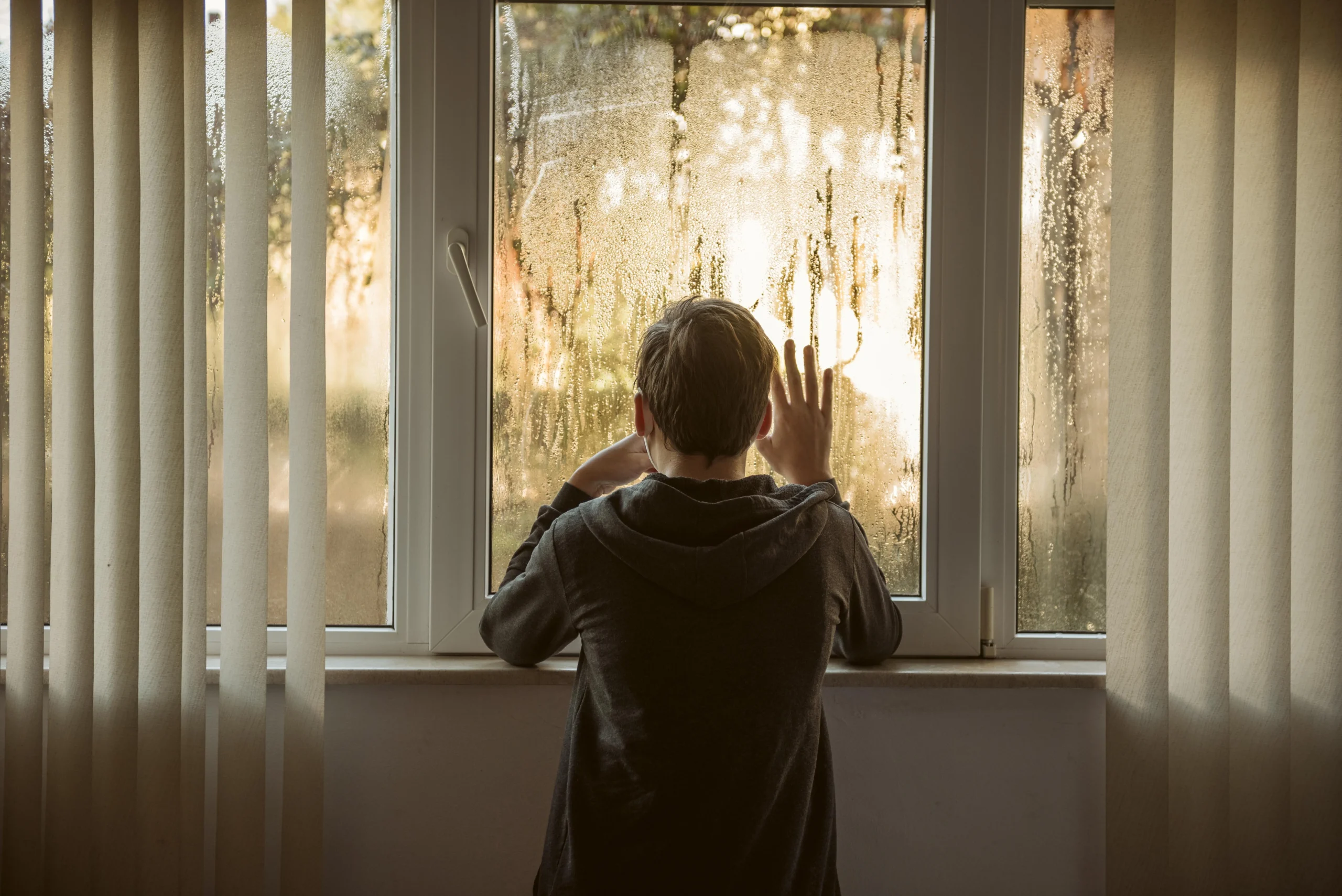
You are standing in your living room, tea in hand, and you glance out the window, only to notice a misty patch between the panes of glass. You give it a wipe, but nothing happens. The fog is inside the window itself. Strange, and a bit annoying. So what is going on?
If you have double-glazed windows and start spotting condensation trapped inside the glass, you are not alone. It is a common issue, especially in older homes or places that see a lot of seasonal weather changes.
Let us talk about what causes that misting up, whether you need to panic, and how SMG Hampshire can restore the glory of these house fixtures.
First Off: How Do Double-Glazed Windows Actually Work?
A double-glazed window is more than just two bits of glass slapped together. Between those panes is a sealed gap, usually filled with air or an insulating gas like argon that acts like a thermal blanket. It keeps warm air in during the winter and hot air out in the summer. It also helps block out noise and cuts down on energy bills.
But for that to work properly, the seal around the glass needs to stay airtight. If the seal breaks, moist air can get in. And when that happens, it shows up as condensation trapped inside the glass.
Hang On: Where Exactly is the Condensation?
This bit matters more than people think. Because where the condensation is tells you what the problem might be:
- Condensation on the outside of the window? That usually just means your windows are doing their job well. The outer pane is cold, the air is warmer, and moisture is forming on the surface. It tends to go away on its own.
- Condensation on the inside (the part you can touch)? That is usually from excess humidity indoors. Steamy showers, boiling kettles, drying clothes—these all raise moisture levels. It is not a window fault, but your home might need better ventilation.
- Condensation between the panes? That is the one to pay attention to. If it is forming in the space between the two bits of glass, then the seal has failed, and the unit is no longer airtight.
Let’s Discuss: Why Does Condensation Happen?
There are a few usual suspects when it comes to condensation inside double-glazed windows:
- The seals have broken – This is the most common cause of condensation of double-glazed windows. Over time, the seal around the glass can crack or come loose, especially if the window is a bit older or has been through lots of hot-cold cycles (hello, British weather). Once the seal breaks, air sneaks in, and so does moisture.
- The windows are ageing – Like anything in a home, double-glazed windows have a lifespan. On average, you can expect around 15 to 20 years before seals start to go. If yours are older than that, they might just be reaching the end of their natural life.
- The windows are not fitted properly – If the windows were not installed well in the first place—perhaps they were not sealed right, or the frame was not sitting properly—that can make them more vulnerable to early failures.
- Sometimes, it is a manufacturing fault – Very occasionally, the problem starts before the window even goes into the wall. A poorly made sealed unit might let in moisture from day one, even if it takes a while to notice.
Suggested read: Don’t Ignore! 5 Warning Signs Your Windows or Doors Need Repair
Now What: Does It Actually Matter?
Yes, but perhaps not for the reason you think. Condensation inside the window does not mean your house is unsafe or unhealthy. But it does mean the window is no longer insulating properly. Heat can escape more easily, cold air can get in, and your energy bills might slowly start creeping up.
Plus, it does not look great. It can make a home feel damp and tired, even if everything else is in good shape.
The Ultimate Question: Can It Be Fixed?
Good news is, you often do not need to change the entire window. In many cases, you can swap out the sealed-glass unit, and keep the same frame. It is quicker, cheaper, and does not leave you with builders’ mess.
If the frames of your double-glazed windows are rotten, warped, or very old, it might be time for a full replacement—especially if you’re aiming for better energy ratings or more secure locking systems.
What Can I Do: Should I Get Someone To Take A Look?
If you are unsure, it is worth getting it checked. At SMG Hampshire, we deal with double-glazed windows issues like this all the time, and we will always be honest about what needs doing.
Sometimes it is just one unit that needs repair. Other times, it is worth considering a full upgrade. Either way, we are here to help you make the decision that suits your home and budget.
FAQs: Questions About Double-Glazed Windows You Might Have
Is condensation between the panes a health risk?
Not directly. But if it is combined with poor ventilation, it could lead to damp patches or mould around the window frame.
How long should double-glazed windows last?
Usually around 15 to 20 years—longer if they are high quality and well looked after.
Will it cost a lot to fix?
Replacing just the glass unit is usually quite affordable, especially compared to full window replacements. It depends on the size and type, but it is often a straightforward job.
Goodbye Condensation: Let’s Get That Fixed
Condensation inside your double-glazed windows is one of those things that is easy to ignore, until it starts to get on your nerves. If you are not sure where to start, we are always happy to help. At SMG Hampshire, we are all about clear advice, neat repairs, and helping your home stay warm, dry, and draught-free. Contact us by calling our line, 07850 239012 or by sending us a message at info@smghampshire.co.uk.