
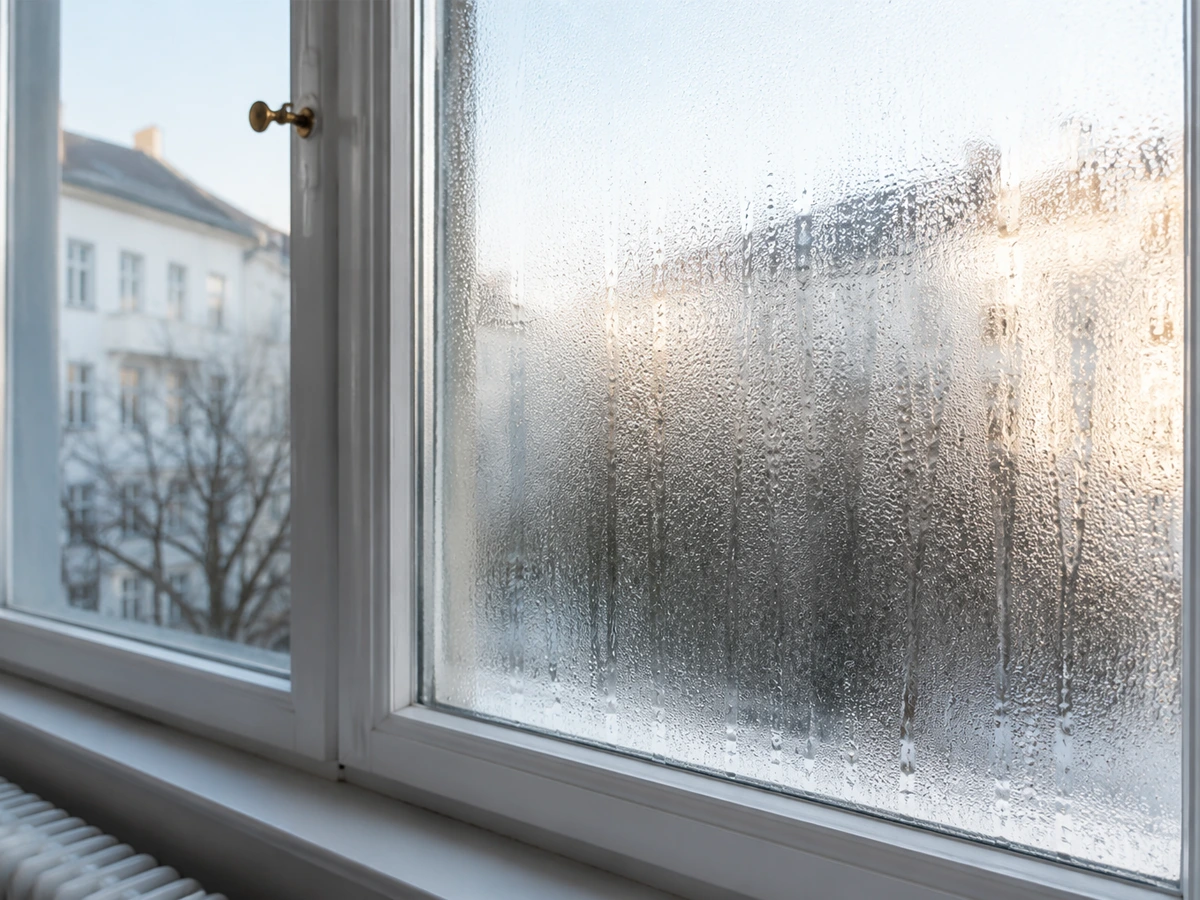
Misted double-glazed windows are a common issue for homeowners across the UK. What starts as a small patch of condensation trapped between glass panes can gradually become a larger problem. Many property owners wonder whether misted double-glazed windows are just a cosmetic annoyance or a more serious issue that will worsen over time.
In most cases, misted double-glazed windows worsen if left untreated. While the issue may begin as a small area of condensation between the panes, it is usually caused by a failed seal within the glazing unit. Once that seal has deteriorated, additional moisture can continue to enter the cavity, leading to increased condensation and reduced window performance over time.
Understanding why double-glazed windows become misted, how the issue develops, and when replacement becomes necessary can help homeowners make informed decisions about protecting their property’s comfort, energy efficiency, and appearance.
What Causes Misted Double-Glazed Windows?
Double-glazed windows are designed with two panes of glass separated by a sealed cavity. This cavity is often filled with insulating gas and acts as a barrier against heat loss, noise, and external weather conditions.
When the perimeter seal around the glass unit fails, moisture from outside air can enter the cavity between the panes. As temperatures fluctuate, condensation forms inside the sealed unit, creating the familiar misted appearance.
Common causes of seal failure include:
- Age-related wear and tear
- Exposure to UV radiation
- Frequent temperature changes
- Poor installation practices
- Structural movement within the property
- Weather damage and storm exposure
Although modern double-glazed windows are designed to last many years, no sealed unit lasts indefinitely.
Do Misted Double-Glazed Windows Get Worse Over Time?
In the vast majority of cases, yes.
Once the seal is compromised, the insulating cavity is no longer protected against moisture intrusion. Over time, more moisture enters the unit, leading to increased condensation and a progressively cloudier appearance.
Many homeowners notice the following progression:
Stage 1: Occasional Haze
Initially, a small patch of condensation may appear under certain weather conditions. It may seem to disappear at times, leading some homeowners to postpone repairs.
Stage 2: Persistent Fogging
As the seal continues to deteriorate, condensation becomes more frequent and remains visible longer. The glass begins to lose its clear appearance.
Stage 3: Significant Moisture Build-Up
Larger areas of the unit become affected. Water droplets may form between the panes, reducing visibility through the window.
Stage 4: Permanent Discolouration
Mineral deposits and dirt can accumulate within the cavity. At this stage, the glass often appears permanently cloudy, even during dry weather.
Like a small roof leak that gradually spreads, a failed glazing seal rarely stays static.
Suggested read: Why Double Glazed Windows Fog Up Inside: Causes, Myths & Fixes (UK Guide)
Why Ignoring Misted Double-Glazed Windows Can Cost More Later
Some homeowners delay repairs because the issue seems cosmetic. However, the effects often go beyond appearance.
Reduced Energy Efficiency
The sealed cavity between panes plays a key role in thermal insulation; once moisture enters the unit, insulating performance declines.
Guidance from energy efficiency organisations continues to highlight the importance of maintaining effective glazing to minimise heat loss and improve household energy performance.
When double-glazed windows lose their insulating capability, homeowners may notice:
- Higher heating costs
- Colder rooms during winter
- Increased draughts
- Greater temperature fluctuations indoors
Reduced Comfort
Condensation trapped within the glass can make rooms feel colder, especially near windows. This is most noticeable during colder months when heating systems work hardest.
Impact on Property Appearance
Misted glass can significantly affect the appearance of a property, both internally and externally.
Cloudy windows may make even a well-maintained home appear older than it is. For homeowners considering selling their property, visibly failed glazing units can create a negative first impression for prospective buyers.
Potential Damage to Window Components
Although the moisture is contained within the glazing unit, prolonged deterioration can sometimes cause issues with surrounding components, especially if window frames are ageing.
Can Misted Double-Glazed Windows Be Repaired?
This is one of the most frequently asked questions.
The answer depends on what is meant by “repair.”
The failed seal itself cannot usually be restored to its original condition. While some temporary solutions claim to remove condensation between the panes, they do not restore the sealed unit’s insulating properties.
Professional glazing specialists typically recommend replacing the affected double-glazed unit while retaining the existing frame if it remains in good condition.
This approach often provides a cost-effective solution since:
- The entire window does not need to be replaced.
- Thermal performance is restored.
- Visual clarity is restored.
- Installation time is reduced.
- Costs are generally lower than those of a full window replacement.
At SMG Hampshire, replacement units can often be installed without changing the existing window frame, helping homeowners restore performance without unnecessary expense.
How Long Do Double-Glazed Windows Typically Last?
Most quality double-glazed windows last around 20 years or more, although this varies depending on:
- Installation quality
- Exposure to weather conditions
- Frame materials
- Maintenance levels
- Manufacturing standards
Homes in exposed coastal or high-wind areas may experience seal deterioration sooner due to harsher conditions.
Even well-maintained units eventually need replacement.
Signs Your Double-Glazed Windows Need Attention
Not all window problems are obvious. Alongside visible misting, homeowners should watch for:
Condensation Between Glass Panes
This remains the clearest indication of a failed sealed unit.
Increased Heating Bills
Declining insulation performance can increase energy usage.
Cold Spots Near Windows
Rooms may feel cooler near affected glazing.
Draughts Around Window Areas
A failed glazing unit can sometimes occur with other window component issues.
Difficulty Seeing Through the Glass
If the window appears permanently cloudy regardless of weather, replacement may be needed.
If any of these symptoms appear, arranging a professional assessment can help find the best solution.
Are New Double-Glazed Units More Efficient Than Older Ones?
Often, yes.
Glazing technology has developed over recent years. Modern double-glazed units often provide better thermal performance than older systems.
Depending on the specification selected, replacement units may include:
- Improved low-emissivity glass coatings
- Enhanced insulating gas fills.
- Better spacer bar technology
- Improved thermal efficiency ratings
Homeowners replacing older misted units may also improve energy efficiency.
How to Prevent Future Seal Failures
No sealed unit lasts forever, but several measures can help maximise lifespan.
Maintain Window Components
Regular maintenance of hinges, locks, and handles helps ensure windows close correctly and minimise stress on seals.
Address Structural Issues Promptly
Property movement can pressure window units. Any signs of subsidence or movement should be investigated.
Use Professional Installation Services
Correct installation plays a key role in long-term glazing performance.
Schedule Periodic Inspections
Routine inspections can spot early signs of deterioration before bigger problems develop.
A proactive approach often extends the service life of double-glazed windows.
When Should You Replace Misted Double-Glazed Windows?
There is no universal timeline, but replacement should be considered when it becomes persistent.
- Visibility is affected
- Energy efficiency has noticeably declined.
- The property’s appearance is affected.
- Moisture build-up continues to increase.
Waiting rarely improves the situation. Usually, the earlier the problem is addressed, the sooner thermal performance and appearance are restored.
Suggested read: Double Glazing Repair vs Replacement: Which One Actually Saves You Money?
Conclusion
Misted double-glazed windows are more than just an aesthetic issue. They are usually a sign that the sealed unit has failed and is no longer performing as intended. While the problem may begin with a small patch of condensation, it often worsens over time as additional moisture enters the cavity between the panes.
Replacing failed units can restore clarity, improve insulation, and help maintain your windows’ overall performance without necessarily replacing the entire frame. For homeowners concerned about energy efficiency, comfort, or the appearance of their property, addressing misted double-glazed windows sooner rather than later is generally the most practical approach.
Frequently Asked Questions
Are misted double-glazed windows getting worse over time?
Yes. Once the seal has failed, moisture continues to enter the unit, usually leading to increased condensation and reduced visibility over time.
Can condensation between double-glazed windows be removed permanently?
Temporary treatments may reduce visible moisture, but the only permanent solution is typically replacing the failed sealed unit.
Do misted double-glazed windows affect energy efficiency?
Yes. A failed glazing unit can lose some of its insulating performance, contributing to higher heating costs and reduced indoor comfort.
Do I need to replace the entire window?
Not necessarily. In many cases, only the double-glazed unit needs replacing while the existing frame remains in place.
How long should double-glazed windows last?
Most quality double-glazed windows last 20 years or more, although lifespan varies with installation quality, maintenance, and environmental conditions.
Is condensation on the outside of windows the same as misted glazing?
No. External condensation is usually a sign of good thermal efficiency. Misted glazing refers specifically to moisture trapped between the glass panes.
Can misted windows reduce property value?
They can affect buyer perception by making a property appear less well maintained, particularly when multiple windows are affected.
Concerned About Misted Double-Glazed Windows?
If your windows are showing signs of condensation between the panes, reduced clarity, or declining performance, SMG Hampshire can help. With over 30 years of glazing experience, we provide professional assessment, repair advice, and replacement double-glazed units for homes and businesses across Hampshire. To discuss your requirements or request a free quotation, contact SMG Hampshire on 07850 239012, email info@smghampshire.co.uk, or speak with our team about the most cost-effective solution for your property.